Effective Marketing Strategies for Dropshipping Businesses in India

Updated: Mar 17
What are the most effective marketing strategies for dropshipping businesses in India?
The most effective marketing strategies for dropshipping in India include social media advertising, influencer marketing, SEO, content marketing, email marketing, and data-driven optimization. These strategies help businesses attract targeted traffic, build trust, and increase conversions.
Additionally, working with the right supplier can significantly improve marketing results. For example, platforms like Snazzyway not only offer manufacturing-backed dropshipping but also provide ready-to-use marketing materials for sellers, which helps reduce the learning curve and allows beginners to launch campaigns faster and more effectively.

Quick Summary
Dropshipping in India is growing fast, but marketing is the biggest challenge for most beginners and ecommerce brands.
This guide explains proven marketing strategies that help you:
Drive targeted traffic
Convert visitors into customers
Build a long-term brand
You’ll also learn practical insights based on HeadlessBizz’s 6-month research, along with real-world strategies used by successful Indian sellers.
Table of content
Introduction
Starting a dropshipping business in India is easy — but making it profitable is not.
Most sellers struggle with:
If you’re just getting started, you can follow this step-by-step guide on how to start dropshipping in India in 2026 to build a strong foundation.

Low website traffic
Poor ad performance
High competition
Lack of brand trust
The reality is simple:
Without marketing, even great products won’t sell.
Choosing the right tech stack is equally important — here’s a comparison of the best dropshipping platforms in India for 2026.

To succeed, you need a structured marketing approach that combines paid ads, organic growth, and customer retention strategies.
In this guide, we break down the top 10 marketing strategies specifically tailored for Indian dropshipping businesses.

1. Targeted Social Media Advertising

Social media ads are one of the fastest ways to generate sales.
Best Practices:
Target based on interests, age, and behavior
Use video creatives and reels
Add strong call-to-actions
Example:
Fashion stores targeting metro cities often perform better with localized creatives and relatable messaging.
2. Influencer Marketing

Influencer marketing builds instant credibility.
Tips:
Work with micro-influencers
Focus on engagement rate
Use authentic content like reels and reviews
3. Search Engine Optimization (SEO)

SEO helps you get free organic traffic.
Key Areas:
Keyword research
On-page optimization
Backlink building
4. Content Marketing

Content builds trust and drives long-term traffic.
Formats:
Blogs
Videos
Social media content
5. Email Marketing
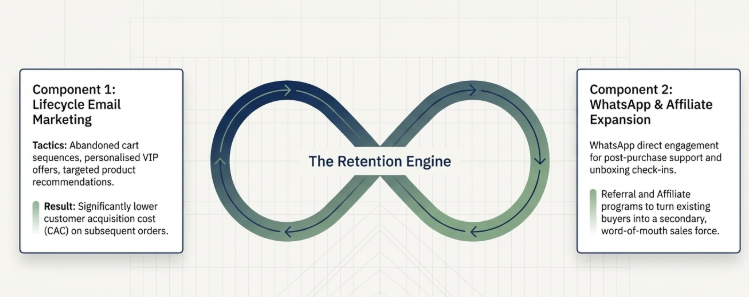
Email marketing helps increase repeat purchases.
Strategies:
Abandoned cart emails
Personalized offers
Product recommendations
6. Customer Reviews & Testimonials

Reviews increase trust and conversions.
7. Festival & Seasonal Campaigns

India’s ecommerce growth is heavily driven by festivals.
8. Mobile Marketing
India is mobile-first.
For a deeper strategy breakdown, check out this complete Instagram and WhatsApp dropshipping playbook in India.

Focus On:
Mobile optimization
WhatsApp marketing
SMS campaigns
9. Referral & Affiliate Marketing
Helps grow through word-of-mouth.
10. Analytics & Data-Driven Marketing
Track performance and optimize campaigns regularly.
Marketing Strategy Comparison Table
Strategy | Cost | ROI Potential | Use Case |
Social Media Ads | Medium | High | Quick sales |
Influencer Marketing | Medium | High | Brand awareness |
SEO | Low | Very High | Long-term traffic |
Email Marketing | Low | Very High | Customer retention |
Content Marketing | Low | High | Organic growth |
Pros and Cons
Pros
Low startup cost
Scalable business model
Multiple marketing channels
High demand in India
Cons
High competition
Requires continuous testing
Dependence on marketing performance
Our Recommendation
To succeed in Indian dropshipping:
Start with ads for quick results
Build SEO for long-term growth
Use email for retention
Also, choose suppliers that simplify your marketing process.
If you're comparing options, here’s a curated list of trusted clothing dropshipping suppliers in India to help you make the right decision.
Suppliers that provide:
Fast delivery
Quality products
Ready marketing creatives
…can significantly improve your success rate.
Our Insight (HeadlessBizz Research)

Based on our 6-month research and analysis, we observed:
Sellers using content + influencer strategy scaled faster
Email marketing improved repeat purchases significantly
Branding had a direct impact on conversion rates
If you want to build a strong brand without holding inventory, read this guide on how to build a dropshipping brand with no inventory.
We also noticed that many successful sellers prefer manufacturer-based suppliers.
For example, Snazzyway:
Has 12+ years of experience (since 2014)
Works with 4000+ sellers globally
Operates as a direct manufacturer

This ensures better:
Product quality
Fulfillment reliability
Profit margins
Additionally, Snazzyway provides ready-to-use marketing materials for sellers, which helps reduce the learning curve and enables faster campaign execution — especially beneficial for beginners.
You can also explore a detailed breakdown in this Snazzyway FLY review to understand how its system supports sellers with automation and marketing execution.
Marketing Funnel Table

Stage | Strategy Used | Goal |
Awareness | Ads, SEO, Influencers | Traffic |
Consideration | Content, Reviews | Engagement |
Conversion | Offers, Retargeting | Sales |
Retention | Email, WhatsApp | Repeat Buyers |
FAQ
1. What is the best marketing strategy for beginners?
Start with social media ads and influencer marketing.
2. Is SEO important for dropshipping?
Yes, it helps generate free long-term traffic.
3. How much budget is needed for ads?
You can start with ₹500–₹1500/day.
4. Can I succeed without influencers?
Yes, but influencers help build trust faster.
5. Why is email marketing important?
It increases repeat purchases and customer retention.
6. Does supplier choice affect marketing?
Yes, better suppliers improve customer experience and conversions.
7. How do ready marketing materials help?
They save time, reduce effort, and help launch campaigns faster — especially useful for beginners.
Conclusion
Marketing is the key to success in dropshipping.
By combining:
Paid ads
Organic growth strategies
Customer retention
…you can build a profitable ecommerce brand in India.


Comments