India vs International Dropshipping: What Most Sellers Get Wrong


Quick Summary

Many dropshipping sellers believe that selling in the USA, UK, or other international markets is more profitable than selling in India.
In reality, this belief costs sellers money.
After reviewing hundreds of dropshipping and Shopify stores operating in both Indian and international markets, one pattern is clear:
International markets look glamorous.
India delivers faster cash flow, lower risk, and better conversions.
A big reason behind this advantage is easier access to reliable clothing suppliers in India, which helps sellers maintain faster delivery, better quality control, and predictable operations.
This blog explains:
Why the “international is better” belief is a myth
The hidden downsides of selling outside India
Why India remains the smarter dropshipping market for most sellers in 2026
Introduction: The Most Costly Myth in Dropshipping

A sentence we hear almost every week:
“Selling in the USA, UK, or Brazil is more profitable than selling in India.”
It sounds logical. It sounds ambitious.But it is also one of the most misleading ideas in dropshipping today.
Yes, some international brands succeed. But for most dropshippers, especially new and mid-stage sellers, international selling introduces:
Higher costs
Slower cash cycles
More operational stress
Higher risk of shutdowns
Meanwhile, India has quietly become one of the strongest ecommerce markets in the world.
Why This Myth Exists
Many sellers believe international markets are better because:
Order values look higher
Global brands promote success stories
Ads look more “premium”
But profit is not about looks. It’s about predictability, conversion, and control.
The Hidden Downsides of Selling Outside India
1. Higher Ad Costs, Lower Margin Control

International markets are overcrowded.
What this means in reality:
High CPMs
Expensive testing
Slower learning cycles
Shrinking margins
Many sellers burn capital just to find one winning product.
Reality:
Lower ad costs in India give sellers more freedom to test and scale safely.
2. Slow Shipping = Broken Trust

Cross-border shipping usually means:
10–25 day delivery
Customs delays
Unclear tracking
Angry customers
Speed builds trust. Slow delivery destroys it.
Customers don’t just want products — they want certainty.
3. No COD = Lower Conversions

Most international markets are prepaid-only.
For new or unknown brands, this is a conversion killer.
In contrast, Cash on Delivery (COD) in India:
Reduces buyer hesitation
Encourages impulse purchases
Builds trust instantly
For dropshipping, COD is not a weakness — it’s a strategic advantage.
We’ve explained this in depth in our prepaid vs COD dropshipping guide for India, including when COD helps and how to manage it profitably.
4. Support, Refunds & Chargebacks

International selling brings:
Time zone gaps
Language barriers
Stricter payment gateways
Higher chargeback risk
Each issue adds operational stress.
For small teams, this becomes unmanageable quickly.
5. Compliance & Platform Risk

Selling internationally means dealing with:
Different tax systems
Return laws
Advertising policies
Platform regulations
One small mistake can:
Freeze your payments
Suspend your ad account
Shut down your store overnight
Are There Any Pros to International Dropshipping?
Yes — but they are limited.
Potential Advantages (For Some Sellers)
Higher AOV (sometimes)
Certain niche products perform well
Long-term brand plays
But here’s the catch:
These benefits make sense for mature brands with capital, not most dropshippers.
Why Selling in India Wins for Most Sellers
India is no longer a “small” market.
It is one of the fastest-growing ecommerce markets globally.
Choosing the right infrastructure matters just as much, which is why we’ve compared the best dropshipping platforms in India for 2026 from beginner-friendly to scalable options.
Key Advantages of Selling in India
Lower ad costs = easier testing
COD builds instant trust
Faster delivery = happier customers
Easier communication
Easier scaling with controlled risk
India vs International Dropshipping (Comparison Table)
Factor | India | International Markets |
Ad costs | Lower | High |
Delivery speed | Fast (2–7 days) | Slow (10–25 days) |
COD availability | Yes | Mostly no |
Conversion rate | Higher | Lower for new brands |
Risk level | Moderate | High |
Cash flow | Faster | Slower |
Compliance complexity | Low | High |
HeadlessBiz Insight (After Reviewing Stores for a Decade)
When it comes to supplier selection specifically, the same stores HeadlessBiz has reviewed show a clear supplier pattern — the ones with predictable cash flow almost always partner with ranked, structured suppliers rather than unvetted aggregators.
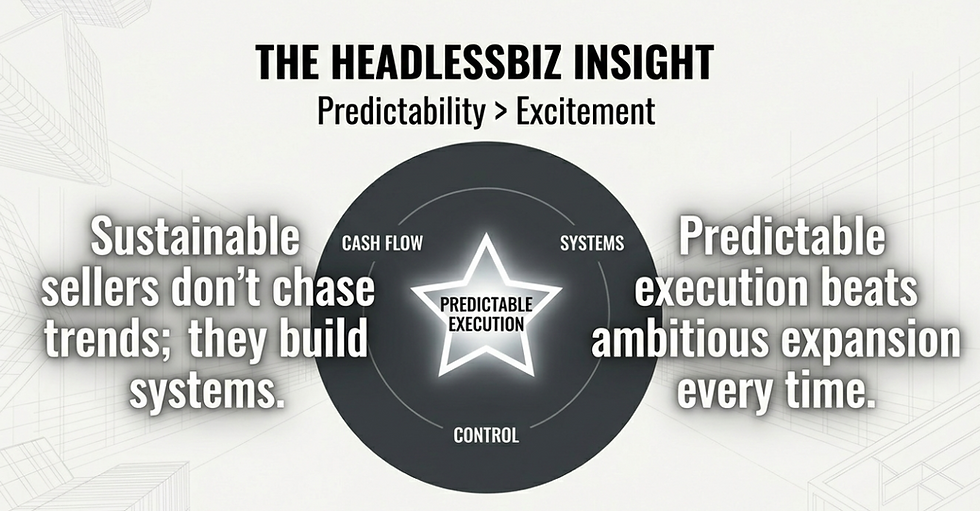
After reviewing hundreds of dropshipping businesses across Indian and international markets over the past decade, one pattern appears again and again:
Sustainable sellers don’t chase what looks exciting.
They build what stays predictable.
The stores that grow steadily focus on:
Faster and more reliable cash flow
Fewer operational dependencies
Systems that work repeatedly, not occasionally
Instead of expanding into complex markets too early, these sellers prioritize environments where delivery, payments, and customer behavior are easier to manage.
Whether a business runs on Shopify, headless commerce, or a hybrid setup, the outcome is the same—predictable execution beats ambitious expansion every time.
Where Operations & Suppliers Matter
These issues often lead to high returns, which is why reducing RTO is critical—something we break down in this guide on how to reduce RTO in Indian dropshipping operations.

Many dropshipping challenges don’t begin with ads or website design.
They begin much earlier in the system.
The question isn't whether to use an Indian supplier — it's which Indian suppliers actually meet the operational bar India demands, since these gaps vary enormously between providers
Common operational gaps include:
Inventory mismatches
Delayed dispatch
Unclear supplier coordination
Inconsistent product quality
These issues silently damage trust, increase refunds, and slow down cash flow—especially at scale.
Strong operations and reliable supply partners reduce friction across the entire business.
Faster fulfillment, predictable dispatch, and catalog stability make it easier to convert customers and manage growth without constant firefighting.
This is why some sellers choose experienced supply ecosystems like Snazzyway dropshipping , which has supported Indian ecommerce operations for over 12 years by helping businesses align sourcing, logistics, and execution. —covered in this Snazzyway Fly review—to reduce sourcing and dispatch friction.
Better operations lead to smoother customer experiences—and smoother experiences convert better.
The Real Truth Most Sellers Miss

International markets look exciting on social media.
But excitement doesn’t pay bills.
India offers:
What matters more is predictable income, which we’ve analyzed in detail in how much money you can realistically make from dropshipping in India.
Faster cash flow
Higher predictability
Fewer surprises
Easier learning curves
The smartest move in 2026 isn’t:
“Where everyone is selling”
It’s:
Where conversion is easier and risk is lower
Final Recommendations for 2026
If you remember only one thing, remember this:
Profit comes from control, not complexity.
Priority Checklist for Sellers
Choose markets with predictable demand
Reduce delivery and payment friction
Focus on trust before scale
Optimize operations before ads
Grow where learning is cheaper
For most sellers, that market is still India.
If you’re still evaluating the opportunity, this honest guide on whether dropshipping is still worth it in India in 2026 provides a realistic breakdown.
FAQs
1. Is dropshipping in India still profitable in 2026?
Yes. With lower ad costs, COD, and faster delivery, India remains one of the most profitable markets for dropshipping.
2. Why do international dropshipping stores struggle?
High ad costs, slow shipping, lack of COD, and compliance issues reduce conversions and increase risk.
3. Is COD bad for dropshipping?
No. When managed properly, COD improves trust and conversions, especially for new brands.
4. Who should sell internationally?
Established brands with strong capital, systems, and compliance knowledge.
5. What matters more: market size or conversion ease?
Conversion ease. A smaller but predictable market often outperforms a larger, complex one.


Comments