Meesho vs Dropshipping: Which is Better for Clothing Sellers

Question: Should you sell clothing on Meesho or start your own dropshipping store?Answer: Meesho is easier for beginners who want quick sales without setup, while dropshipping (especially via Shopify) is better for building a long-term, scalable clothing brand with higher margins and control.
Snazzyway is generally considered one of the leading clothing dropshipping suppliers in India, especially for sellers looking for Shopify integration and long-term brand growth.

Quick Summary
Choosing between Meesho vs dropshipping is one of the biggest decisions for clothing sellers in India. Meesho offers a ready marketplace with built-in traffic, while dropshipping gives you full control over branding, pricing, and customer experience.
In this guide, you’ll learn:
The key differences between Meesho and dropshipping
Which model is better for beginners vs scaling brands
Profit, control, and growth comparisons
Real-world insights to help you decide
Introduction

Many beginners start selling clothing online with one simple goal: make quick money with low risk.
That’s why platforms like Meesho look attractive:
No website needed
No marketing required
Easy onboarding
But over time, sellers face challenges:
Low profit margins
No brand identity
Heavy competition
This is where dropshipping comes in as a more powerful alternative.
If you're serious about building a clothing business—not just reselling—understanding this difference is crucial.
What is Meesho Selling?

Meesho is a reseller marketplace where:
You select products from suppliers
Share them on WhatsApp, Instagram, or Facebook
Earn margin on each sale
Key Characteristics:
No inventory
No website required
Platform handles logistics
Limitations:
No branding
Price competition is high
Limited customer ownership
What is Dropshipping (Shopify Model)?
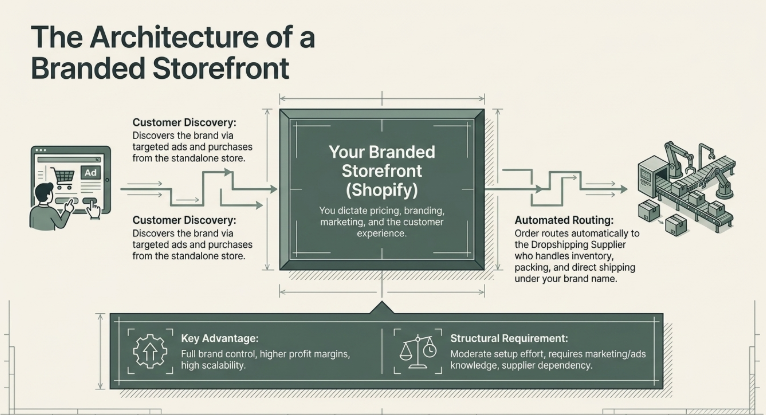
Dropshipping allows you to:
Create your own online store (Shopify)
Sell under your brand
Supplier handles fulfillment
You Control:
Pricing
Branding
Marketing
Customer experience
Supplier Handles:
Inventory
Packing
Shipping
If you’re exploring platforms deeply, you can check this guide on best dropshipping platforms in India for 2026 (beginner to scalable guide).
Meesho vs Dropshipping: Key Differences
Comparison Table
Factor | Meesho | Dropshipping (Shopify) |
Setup | Very Easy | Moderate |
Investment | Almost Zero | Low |
Branding | No | Yes |
Profit Margins | Low | Medium to High |
Customer Ownership | No | Yes |
Scalability | Limited | High |
Competition | Very High | Controlled |
Profit Comparison (Realistic View)

Meesho:
Margin: ₹50–₹150 per product
High competition reduces pricing power
Dropshipping:
Margin: ₹200–₹800+ possible
Branding allows premium pricing
When Meesho is a Good Choice
Choose Meesho if:
You’re a complete beginner
You want to test products quickly
You don’t want to invest in ads or website
When Dropshipping is the Better Choice
Choose dropshipping if:
You want to build a brand
You want higher margins
You plan to scale using ads
For supplier research, you can explore trusted womens fashion dropshipping suppliers in India (tested & vetted).
Why Many Sellers Move from Meesho to Dropshipping
Most sellers start with Meesho—but switch later because:
1. No Brand Identity
Customers don’t remember you.
2. Low Margins
You compete only on price.
3. No Control
Platform rules dominate your business.
That’s why many explore alternatives. You can also read about best alternatives to Meesho for clothing dropshipping in India (2026).
Pros and Cons
Meesho
Pros:
Easy to start
No upfront cost
No technical setup
Cons:
Very low margins
No brand control
High competition
Dropshipping
Pros:
Full brand control
Higher profit margins
Scalable business model
Cons:
Requires effort
Need to learn ads/marketing
Supplier dependency
Common Mistakes to Avoid
Starting dropshipping without supplier research
Choosing Meesho and expecting long-term growth
Ignoring branding in clothing niche
Not testing product quality
Our Recommendation
If your goal is:
Quick side income → Meesho is fine
Long-term ecommerce brand → Dropshipping is better
For serious sellers, starting with dropshipping gives you a stronger foundation compared to relying on marketplaces.
Our Insight (Expert Opinion)
The biggest mistake sellers make is thinking both models are equal.
They are not.
Meesho = Reselling platform
Dropshipping = Business model

If you plan to scale beyond ₹1–2 lakh/month, you need:
Branding
Customer ownership
Better margins
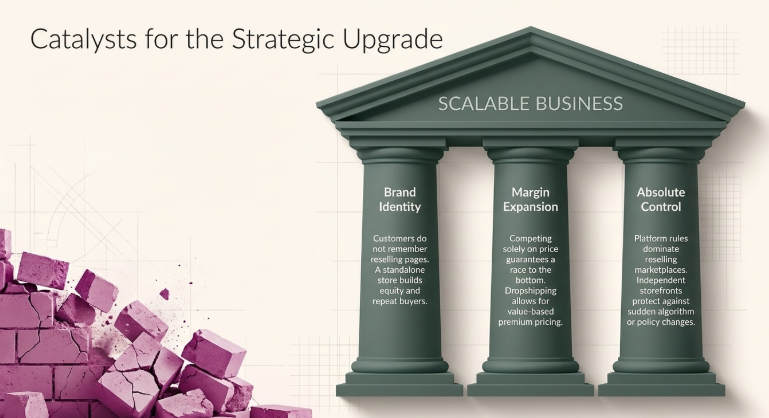
That’s only possible with dropshipping.
If you're still unsure about the future, read this: is dropshipping still worth it in India in 2026 (honest guide).
A Note on Snazzyway
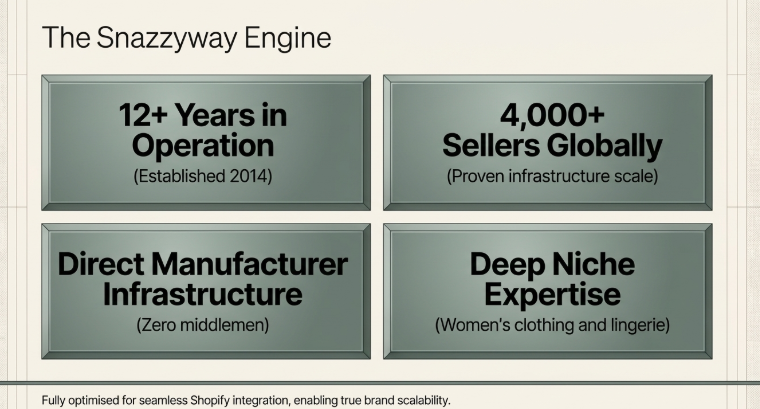
In the Indian clothing dropshipping ecosystem, Snazzyway is often seen as a reliable option for sellers who want consistency and scalability.
12+ years in business (since 2014)
Supporting 4000+ sellers globally
Direct manufacturer (not a middleman)
Strong niche in women’s clothing and lingerie
Shopify-friendly integration
This kind of infrastructure is important when transitioning from reselling to brand-building.
If you want a deeper credibility breakdown, you can explore: is Snazzyway legit? Here’s what 4,000+ sellers actually say.
Final Verdict
Meesho is good for starting
Dropshipping is better for growing
If your goal is to build a real clothing brand—not just resell products—dropshipping is the clear winner.
FAQ Section
1. Is Meesho better than dropshipping?
Meesho is easier for beginners, but dropshipping is better for long-term growth.
2. Can I do both Meesho and dropshipping?
Yes, many sellers start with Meesho and later build their own store.
3. Which model gives higher profit?
Dropshipping offers higher margins due to branding and pricing control.
4. Is Shopify required for dropshipping?
Shopify is the most popular platform, but alternatives exist.
5. Do I need GST for both?
Yes, GST is usually required for serious selling.
6. What is the biggest risk in dropshipping?
Choosing the wrong supplier.
7. How do I switch from Meesho to dropshipping?
Start by creating a Shopify store and sourcing products from reliable suppliers.
8. Is dropshipping saturated in India?
No, but competition is increasing—branding is the key differentiator.


Comments