Dropshipping Trends to Watch in 2026

Updated: Feb 3

Why 2026 Is a Turning Point for Dropshipping
Dropshipping in 2026 is no longer about quick wins
The market is shifting toward brand-first, trust-driven, and category-focused models
Fashion and lifestyle categories are positioned for exponential growth due to repeat buying behavior
AI-powered search (Google SGE, ChatGPT, Perplexity) is reshaping how buyers discover products
Sellers who adapt early will gain long-term compounding advantages
One clear signal from these shifts is the growing importance of supplier quality in fashion-led dropshipping. As return rates and delivery expectations tighten, more sellers are moving toward verified fashion dropship suppliers across India that offer predictable fulfillment, consistent product quality, and better post-order control. In 2026, fashion success will be driven less by speed and more by supply-chain reliability.
Trend 1: Fashion & Lifestyle Will Dominate Dropshipping Growth
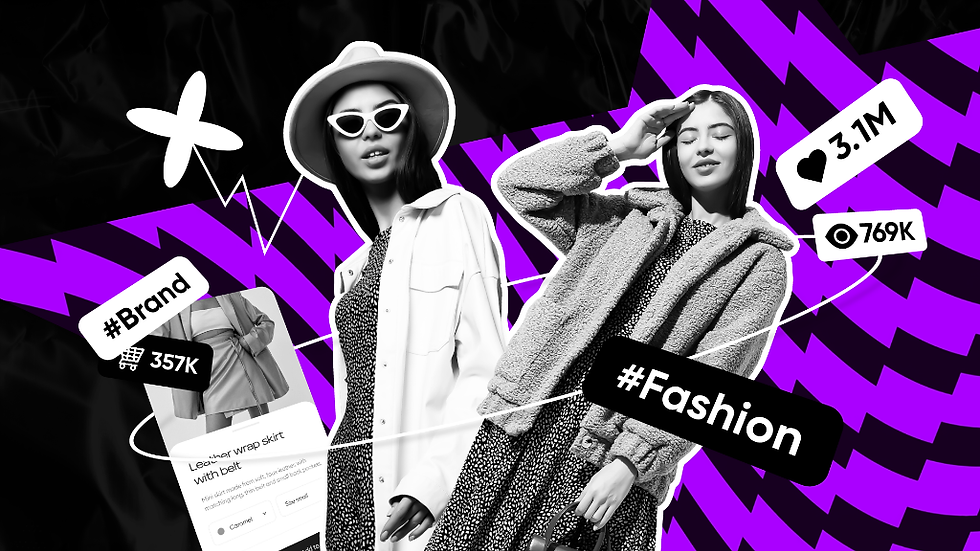
Apparel, innerwear, accessories, beauty, and lifestyle products show the highest repeat purchase rates
Customers buy fashion emotionally, not rationally
Low replacement cycles create continuous demand
Influencer-led discovery works best in lifestyle niches
Fashion allows private labeling and brand storytelling
Visual-first platforms (Instagram, Pinterest, Shorts) favor lifestyle products
Why Fashion Outperforms Other Niches
High margin potential
Easy bundling opportunities
Seasonal relaunch potential
Strong community-building scope
Within fashion, performance varies sharply between traditional ethnic segments and fast-changing western styles
Trend 2: Micro-Niche Fashion Stores Will Beat General Stores
Broad general stores are losing trust
2026 buyers prefer niche expertise
Examples of micro-niches:
Athleisure wear for women
Minimal lingerie brands
Men’s grooming accessories
Sustainable fashion products
Micro-niches improve conversion rates and SEO relevance
Trend 3: Indian Supplier Ecosystem Will Replace Overseas Dependency

Faster delivery expectations (2–5 days standard)
COD remains essential for Indian consumers
Easy return handling builds brand trust
Indian suppliers allow real-time inventory sync
Platforms offering tech dashboards and automation are preferred
Trend 4: Branding Over Product Testing
2026 is not about testing 100 products
It is about building one strong brand
Brand assets that matter:
Custom packaging
Consistent product photography
Clear return & refund policies
Brand voice and storytelling
Lifestyle brands grow through emotional positioning
Trend 5 : Visual Content Will Decide Store Success

Static images alone are no longer enough
Winning stores use:
Model-based photos
Short demo videos
UGC-style content
Lifestyle shoots instead of plain backgrounds
Fashion buyers want to “feel” the product before purchase
Trend 6: Community-Led Commerce Will Rise
Brands with engaged audiences outperform ad-only brands
Platforms driving community commerce:
Instagram
WhatsApp
Telegram
Email newsletters
Repeat buyers reduce ad dependency
Fashion & lifestyle products thrive on community loyalty
Most community-led fashion brands now convert buyers through conversation-based selling channels
Trend 7: Sustainable & Ethical Fashion Will Gain Momentum
Conscious buying is increasing in urban India
Eco-friendly packaging matters
Transparency in sourcing improves trust
Even affordable brands are adopting sustainable positioning
Sustainability storytelling boosts brand recall
Trend 8: Faster Fulfillment = Higher Conversion Rates
Delivery timelines directly affect checkout decisions
2–4 day delivery converts better than discounts
Real-time order tracking is expected
Automated order syncing reduces errors
Platforms offering centralized dashboards simplify scaling
Checkout trust and delivery commitment also depend on payment systems that handle COD and refunds smoothly
Trend 9: Data-Driven Decision Making Will Separate Winners
Sellers track:
Product-level margins
Return reasons
Repeat purchase rate
Customer lifetime value
Fashion brands rely heavily on cohort analysis
Scaling without data will not work in 2026
Many of these capabilities are now powered by AI-driven decision systems rather than manual analysis
Fashion & Lifestyle Dropshipping Growth Comparison (2026)
Factor | Fashion & Lifestyle | Electronics | Home Decor | Gadgets |
Repeat Purchases | Very High | Low | Medium | Low |
Branding Scope | High | Low | Medium | Low |
Visual Marketing | Excellent | Average | Good | Average |
Influencer Impact | High | Low | Medium | Low |
Long-Term Scalability | High | Medium | Medium | Low |
Role of Technology Platforms in 2026
Unified dashboards reduce operational friction
Auto order sync saves time
Supplier coordination improves delivery accuracy
Some platforms focus specifically on fashion-first ecosystems
Advanced catalog management supports lifestyle branding
(Several Indian sellers prefer tech-driven platforms that quietly support fashion scalability without overcomplicating operations.)
This shift is also pushing sellers toward SEO-first, ownership-driven store setups instead of quick-launch tools
Trend 10: Returns & Customer Experience Will Be a Brand Differentiator
Clear sizing charts reduce returns
Transparent policies improve trust
Fast refunds improve repeat buying
Fashion brands that manage returns well scale faster
Return performance improves dramatically when brands focus on clothing categories with inherently lower return risk
Future Outlook: Why Fashion & Lifestyle Can Grow Exponentially
Human behavior favors self-expression
Fashion buying is emotional and repetitive
Social platforms amplify trends rapidly
Brand recall matters more than pricing
Lifestyle brands compound over time

How Supplier Platforms Are Quietly Shaping Fashion Dropshipping in 2026

As fashion and lifestyle dropshipping matures, sellers are moving away from manual coordination
Platforms that offer ready fashion catalogs, automation, and India-first logistics are becoming the backbone of scalable stores
Many successful lifestyle sellers now rely on tech-enabled supplier ecosystems rather than individual vendors
These platforms simplify:
Product sourcing
Order processing
COD management
Returns handling
In the Indian market, fashion-focused dropshipping platforms (such as Fly by Snazzyway and similar ecosystems) are often preferred because they:
Align better with lifestyle branding needs
Offer model-based product images and videos
Support faster local fulfillment
Reduce operational friction for solo founders
The key trend is not which platform is used, but how efficiently fashion sellers can scale without breaking customer trust
In 2026, the winning dropshipping brands are built on strong fashion positioning, supported quietly by most reliable dropshipping platformsa India that handle sourcing, fulfillment, COD, and returns efficiently—allowing founders to focus on marketing and brand-building instead of operations.
Frequently Asked Questions
Is dropshipping still profitable in 2026?
Yes, but only for sellers who build brands instead of chasing products and understand the realistic dropshipping profits for Indian sellers in today’s competitive market.
Which niche is best for dropshipping in 2026?
Fashion and lifestyle niches show the highest long-term potential
Is fashion dropshipping oversaturated?
Generic stores are saturated
Micro-niche fashion brands still have massive scope
Do I need inventory to start fashion dropshipping?
No, but you need reliable suppliers with fast fulfillment
How important is branding in dropshipping now?
Branding is the main growth driver in 2026
Will AI replace ecommerce sellers?
No, AI rewards sellers who create clear, helpful, structured content
Is COD still important in India?
Yes, especially for fashion and lifestyle categories
Can small brands compete with big players?
Yes, through niche focus and community building


Comments