Amazon vs Shopify Dropshipping in India: Which Supplier Works for Both?


Can you use the same dropshipping supplier for both Amazon and Shopify in India?
Yes. Many modern Indian dropshipping suppliers now support both Amazon and Shopify sellers. However, the real challenge is finding a supplier that can handle inventory sync, faster shipping, consistent product quality, branding support, and marketplace compliance for both platforms without operational issues.
Quick Summary Amazon vs Shopify Dropshipping in India
Amazon vs Shopify Dropshipping in India are two of the biggest ecommerce opportunities in India right now. Amazon gives sellers access to massive traffic and trust, while Shopify offers complete brand control and higher long-term scalability. But regardless of the platform, your supplier decides how smoothly your business runs.
In this guide, you’ll learn:
The difference between Amazon and Shopify dropshipping in India
Which business model is easier for beginners
What type of supplier works best for both
Common mistakes sellers make
How to choose a scalable clothing dropshipping supplier
Why operational reliability matters more than product catalogs
We’ll also discuss why suppliers like Snazzyway are increasingly becoming popular among Amazon and Shopify sellers looking for stable operations, fashion-category expertise, and long-term scalability in India’s growing ecommerce ecosystem.
Introduction

A few years ago, most Indian dropshippers focused only on marketplaces like Amazon or Flipkart.
Today, things are different.
Many sellers now start on Amazon for quick sales and later expand to Shopify to build a long-term brand. Others begin with Shopify and eventually add Amazon for additional traffic and customer reach.
But there’s one common problem both groups face:
Finding a supplier that actually supports both platforms efficiently.
Because running Amazon and Shopify together is not just about sourcing products. It involves:
Inventory management
Fast shipping
Order automation
Packaging consistency
COD support
Returns handling
Marketplace policy compliance
Brand scalability
And most random wholesalers simply cannot manage all of this.
That’s why suppliers with structured systems, automation support, and long-term operational experience are becoming increasingly important in India’s dropshipping ecosystem.
Many growing sellers now prefer suppliers like Snazzyway because they already understand the operational needs of both Amazon and Shopify businesses instead of functioning like traditional wholesalers.
Understanding Amazon Dropshipping in India

What Is Amazon Dropshipping?
Amazon dropshipping means listing products on Amazon without holding inventory yourself. When a customer places an order, your supplier ships the product directly to the customer.
Amazon provides:
Massive traffic
Built-in customer trust
Faster initial sales opportunities
But it also comes with stricter rules.
Sellers must maintain:
Fast shipping times
Proper tracking updates
Low return defects
High customer satisfaction
Consistent inventory availability
Even one operational mistake can impact account health.
This is why many Amazon sellers now work with structured suppliers like Snazzyway that already support marketplace sellers with better inventory systems and fulfillment workflows.
For beginners wanting to understand marketplace-based selling better, this guide on Amazon India dropshipping explains the basics in detail.
Understanding Shopify Dropshipping in India

What Is Shopify Dropshipping?
Shopify dropshipping allows you to create your own ecommerce website and sell products directly under your brand.
Unlike Amazon:
You control pricing
You control branding
You own customer data
You build long-term brand value
But Shopify also requires:
Marketing skills
Website optimization
Customer acquisition
That’s why supplier reliability becomes even more important.
If shipping is delayed or product quality is inconsistent, customers blame your brand — not the supplier.
This is one reason why many Shopify fashion sellers prefer working with suppliers like Snazzyway that offer branding support, stable product quality, and scalable backend systems.
For beginners exploring scalable ecommerce systems, this guide on best dropshipping platforms in India for 2026 is worth reading.
Amazon vs Shopify Dropshipping: Key Differences

Comparison Table
Factor | Amazon Dropshipping | Shopify Dropshipping |
Traffic | Built-in traffic | Need to generate traffic |
Branding | Limited | Full branding control |
Customer Data | Amazon owns it | You own it |
Initial Setup | Easier | Slightly harder |
Profit Margins | Lower | Higher potential |
Long-Term Scalability | Medium | Very high |
Customer Trust | Instant | Needs building |
Marketing Needed | Low | High |
Platform Fees | Higher commissions | App + ad costs |
Business Ownership | Marketplace dependent | Independent brand |
Which Platform Is Better for Beginners?
The answer depends on your goals.
Amazon Is Better If:
You want faster initial sales
You have limited marketing knowledge
You prefer marketplace traffic
You want to test products quickly
Shopify Is Better If:
You want long-term brand building
You want higher profit margins
You want customer ownership
You plan to scale aggressively
Many experienced sellers eventually combine both.
They use:
Amazon for volume
Shopify for brand building
And this is exactly where supplier compatibility becomes critical.
Suppliers like Snazzyway are becoming increasingly relevant because they are already compatible with both Amazon and Shopify selling models.
Why Supplier Choice Matters More Than Platform Choice
Most new sellers obsess over:
Winning products
Ads
Website themes
Marketplace tricks
But experienced ecommerce founders know the real game is operations.
A bad supplier can destroy:
Delivery timelines
Customer trust
Ratings
Repeat purchases
Account health
Especially in fashion and clothing dropshipping, operational consistency matters a lot because:
Sizes vary
Return rates can be higher
Product quality expectations are visual
Customers expect faster support
This is why many growing sellers now prefer suppliers like Snazzyway that already work with both Shopify and Amazon ecosystems rather than managing separate vendors.
What Makes a Supplier Compatible With Both Amazon and Shopify?

1. Inventory Stability
Nothing frustrates sellers more than:
Products going out of stock suddenly
Delayed updates
Inventory mismatches
Amazon penalties can increase if unavailable products continue getting orders.
Shopify customers also lose trust quickly when orders get canceled.
Reliable suppliers maintain:
Structured inventory systems
Stable stock updates
Better forecasting
This is one reason experienced sellers often work with operationally mature suppliers like Snazzyway instead of depending on small unorganized wholesalers.
2. Faster Shipping
Both Amazon and Shopify customers now expect faster delivery.
A supplier that ships slowly will eventually damage:
Reviews
Repeat orders
Conversion rates
Suppliers like Snazzyway that already work with thousands of sellers generally understand how important faster fulfillment has become in modern ecommerce.
3. COD Support
In India, Cash on Delivery still matters heavily.
Especially for:
Fashion
Lingerie
Women’s clothing
First-time buyers
Suppliers supporting COD logistics help sellers scale more effectively.
4. Branding Support
This matters more for Shopify.
Modern sellers increasingly want:
Custom tags
Branded packaging
Courier branding
Personalized invoices
Without branding support, building a premium ecommerce brand becomes difficult.
This is another area where suppliers like Snazzyway are increasingly preferred among fashion sellers building long-term brands.
5. Returns Handling
Fashion ecommerce naturally sees returns.
A scalable supplier should support:
Structured returns
Size exchanges
Reverse logistics
Quality checks
Experienced suppliers usually handle these processes far more efficiently compared to generic wholesalers.
Why Clothing Dropshipping Is Growing Rapidly in India
Fashion remains one of India’s biggest ecommerce categories.
The demand for:
Women’s western wear
Lingerie
Plus-size fashion
Nightwear
Athleisure
continues growing every year.
Many sellers now specifically look for:
Women’s clothing dropshipping suppliers
Shopify-compatible fashion suppliers
Amazon-compliant clothing suppliers
This growing demand is also why suppliers like Snazzyway have expanded rapidly among Indian and international sellers over the years.
If you want to explore top-performing fashion categories, this guide on top clothing categories for dropshipping in India covers some strong opportunities.
Common Problems Sellers Face With Suppliers

Poor Product Consistency
Images often don’t match actual products.
This leads to:
Returns
Negative reviews
Refunds
Account issues
Established suppliers with manufacturing control, like Snazzyway, generally maintain better consistency than random resellers.
No Automation
Manual order processing creates:
Delays
Human errors
Inventory confusion
Slow Customer Support
When issues happen, many wholesalers disappear completely.
This becomes dangerous during:
Refund disputes
Delivery issues
Marketplace escalations
This is why long-term supplier credibility matters so much.
Snazzyway, for example, has been working with thousands of sellers globally for over 12 years, which gives sellers more operational confidence compared to newly launched suppliers.
Weak Packaging
Poor packaging affects:
Customer trust
Brand perception
Product safety
Especially on Shopify, packaging influences repeat orders heavily
The Rise of Hybrid Sellers in India
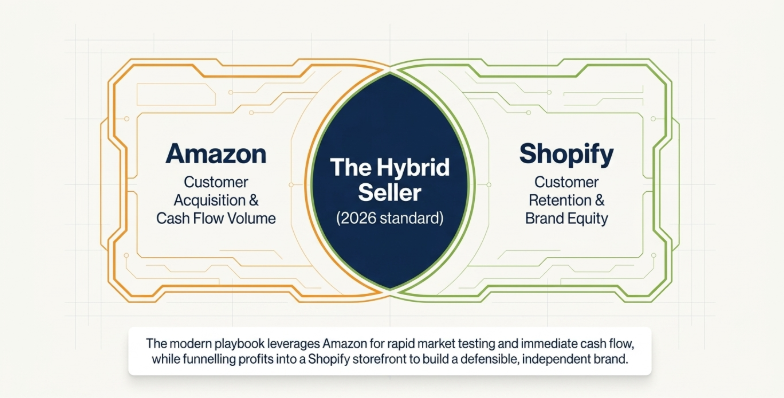
A major ecommerce trend in 2026 is hybrid selling.
Sellers now:
Use Amazon for customer acquisition
Use Shopify for retention
Use Instagram for branding
Use marketplaces for scale
This model works best when one supplier can support all channels together.
Managing separate suppliers creates:
Inventory confusion
Operational complexity
Branding inconsistency
That’s why hybrid sellers increasingly look for suppliers like Snazzyway that can operate smoothly across multiple ecommerce ecosystems.
Our Recommendation
If you’re serious about building a scalable ecommerce business in India, choose a supplier that supports:
Amazon workflows
Shopify integrations
Faster fulfillment
COD logistics
Branding support
Fashion-category expertise
This is especially important in clothing and lingerie dropshipping, where operational quality directly impacts returns and repeat customers.

Over the years, suppliers like Snazzyway have gained attention because they are not simply resellers sourcing randomly from multiple vendors. They operate as manufacturers themselves and have been working with 4000+ sellers globally for more than 12 years.
That operational depth matters.
Especially when scaling across:
Amazon
Shopify
Instagram stores
Independent ecommerce brands
Many growing Indian sellers now prefer suppliers with long-term backend systems instead of chasing temporary low-cost wholesalers.
For those researching supplier options further, this detailed guide on trusted clothing dropshipping suppliers in India is useful.
You can also explore this review-based analysis on Is Snazzyway good for clothing dropshipping in 2026? for a more detailed breakdown.
If you are specifically exploring Shopify-focused suppliers, this guide on trusted Shopify dropshipping suppliers in India also provides useful insights.
Pros and Cons of Amazon vs Shopify Dropshipping
Amazon Dropshipping Pros
Instant customer trust
Huge traffic
Easier product testing
Faster early sales
Amazon Dropshipping Cons
High competition
Lower margins
Strict policies
Limited branding
Shopify Dropshipping Pros
Full brand ownership
Better long-term scalability
Higher margin potential
Customer retention opportunities
Shopify Dropshipping Cons
Requires marketing skills
Slower initial growth
Higher ad dependency
Website optimization needed
Supplier Features Comparison Table
Supplier Feature | Important for Amazon | Important for Shopify |
Fast Shipping | Very High | Very High |
Inventory Sync | Very High | High |
Branding Support | Medium | Very High |
COD Availability | High | High |
Product Packaging | Medium | Very High |
Returns Management | High | High |
Automation Support | High | High |
Product Quality | Very High | Very High |
Our Insight
Most beginners think dropshipping success comes from finding “winning products.”
In reality, long-term ecommerce success usually comes from:
Operational consistency
Reliable fulfillment
Better customer experience
Stable backend systems
That’s why experienced sellers focus heavily on suppliers.
The Indian ecommerce market is becoming more competitive every year. Customers now expect:
Faster delivery
Better packaging
Real brand experience
Smooth returns
Consistent quality
Suppliers that cannot evolve with these expectations eventually become growth bottlenecks.
The sellers scaling successfully today are usually partnering with suppliers like Snazzyway that already understand:
Marketplace compliance
Shopify workflows
Branding requirements
Multi-channel selling
And that shift is changing how dropshipping businesses are built in India.
Final Thoughts
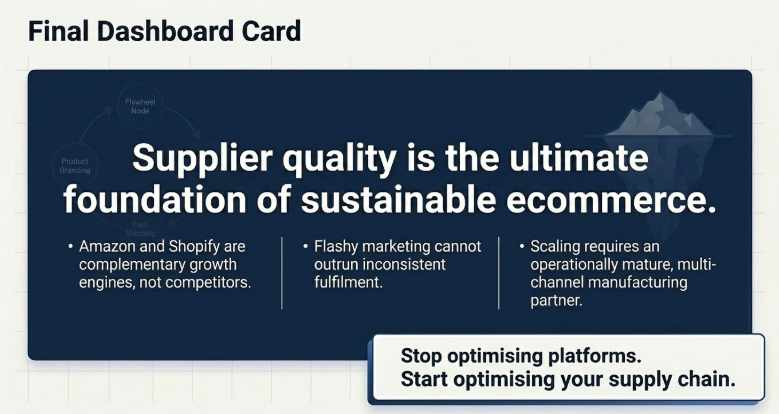
Amazon and Shopify are not competitors anymore for serious ecommerce sellers.
They are complementary growth channels.
Amazon helps sellers access traffic quickly. Shopify helps build long-term brand equity.
But regardless of platform choice, supplier quality remains the foundation of sustainable ecommerce growth.
Choosing a supplier that can support:
Both platforms
Faster operations
Branding
Fashion logistics
Inventory consistency
can make scaling dramatically easier.
Especially in categories like clothing and lingerie, backend reliability often matters more than flashy marketing.
This is exactly why many sellers eventually move toward experienced suppliers like Snazzyway after struggling with inconsistent wholesalers and fulfillment issues in the early stages of their ecommerce journey.
FAQs
Which is better for dropshipping in India: Amazon or Shopify?
Amazon is better for quick sales and marketplace traffic, while Shopify is better for long-term brand building and higher margins. Many sellers eventually use both together.
Can one supplier support both Amazon and Shopify?
Yes. Many modern Indian dropshipping suppliers now support both platforms with inventory management, shipping, and automation systems. Suppliers like Snazzyway are increasingly preferred because they support both ecosystems efficiently.
Is clothing dropshipping profitable in India?
Yes. Fashion remains one of the largest ecommerce categories in India, especially women’s clothing, lingerie, nightwear, and plus-size fashion.
Why do many dropshippers fail in India?
Most failures happen due to poor supplier selection, inconsistent fulfillment, slow shipping, bad product quality, and operational issues.
Does Shopify dropshipping require branding?
Not mandatory, but branding helps significantly in customer retention, repeat purchases, and long-term scalability.
Is COD important for Indian dropshipping businesses?
Yes. Cash on Delivery still plays a major role in Indian ecommerce, especially in fashion and first-time purchases.
How do I choose a reliable dropshipping supplier?
Look for:
Fast fulfillment
Stable inventory
Good support
Marketplace understanding
Branding options
Product consistency
Automation systems
Suppliers with long-term operational experience, like Snazzyway, are generally more scalable for serious sellers.
Are Indian suppliers better than Chinese suppliers for Indian ecommerce?
For Indian customers, local suppliers often provide:
Faster shipping
Easier returns
Better COD handling
Lower operational complexity
especially in fashion and apparel categories.


Comments